R.A.S.
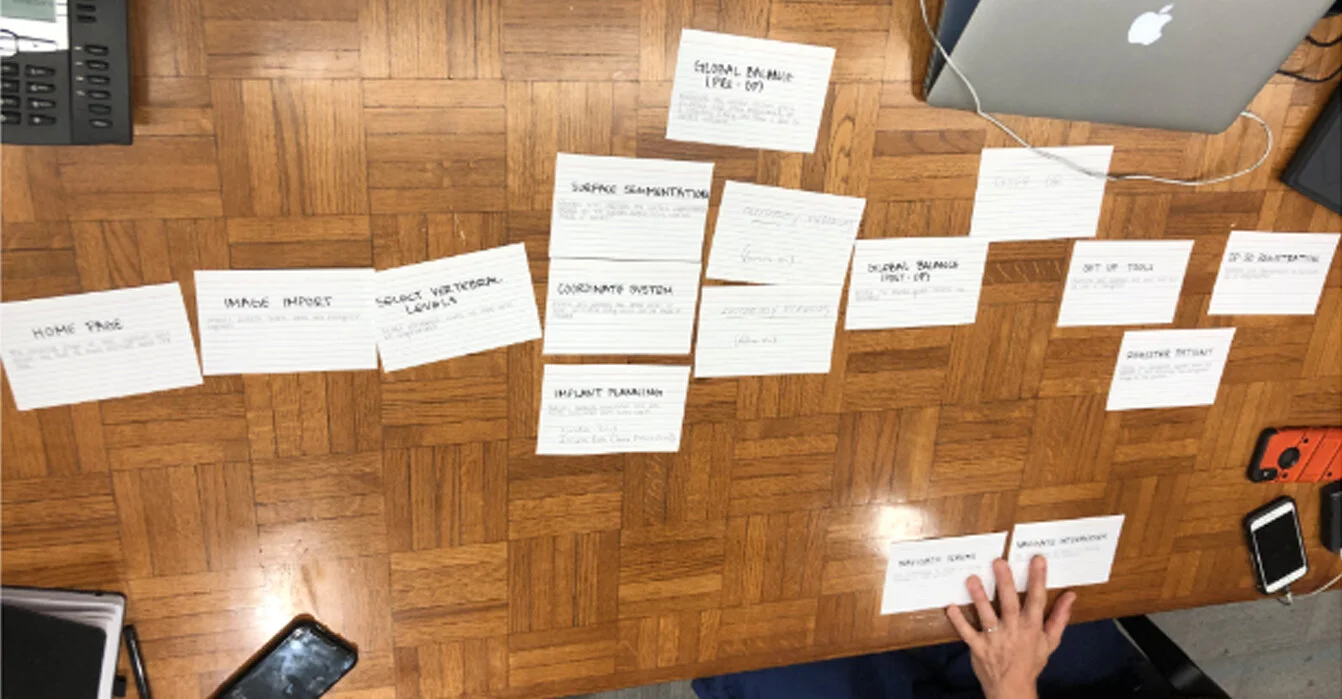
As the Lead Designer for Stryker’s robotic-assisted surgery (RAS) platform, I was responsible for developing a comprehensive and user-centered workflow that would enhance the precision and safety of spine surgeries. This project focused on creating a seamless, intuitive experience that integrates complex surgical tasks into an efficient and streamlined process.
Objective
The primary goal was to design a workflow that reduces cognitive load on surgeons, ensures accuracy in surgical procedures, and improves the overall user experience of the RAS platform. The workflow needed to accommodate both detailed surgical planning and real-time adjustments during surgery.
Complexity of Tasks
Spine surgeries require a high level of precision, with multiple critical steps that must be executed flawlessly. The existing workflows were often fragmented, requiring surgeons to navigate through complex systems that could lead to inefficiencies and increased risk of errors.
User Needs:
Surgeons needed a workflow that provided detailed control over surgical planning while being intuitive enough to allow quick adjustments during surgery. The challenge was to create a design that offered both depth and simplicity, enabling surgeons to focus on the procedure without being overwhelmed by the system.
Objective
The primary goal was to design a workflow that reduces cognitive load on surgeons, ensures accuracy in surgical procedures, and improves the overall user experience of the RAS platform. The workflow needed to accommodate both detailed surgical planning and real-time adjustments during surgery.
Complexity of Tasks
Spine surgeries require a high level of precision, with multiple critical steps that must be executed flawlessly. The existing workflows were often fragmented, requiring surgeons to navigate through complex systems that could lead to inefficiencies and increased risk of errors.
User Needs:
Surgeons needed a workflow that provided detailed control over surgical planning while being intuitive enough to allow quick adjustments during surgery. The challenge was to create a design that offered both depth and simplicity, enabling surgeons to focus on the procedure without being overwhelmed by the system.
research and insights
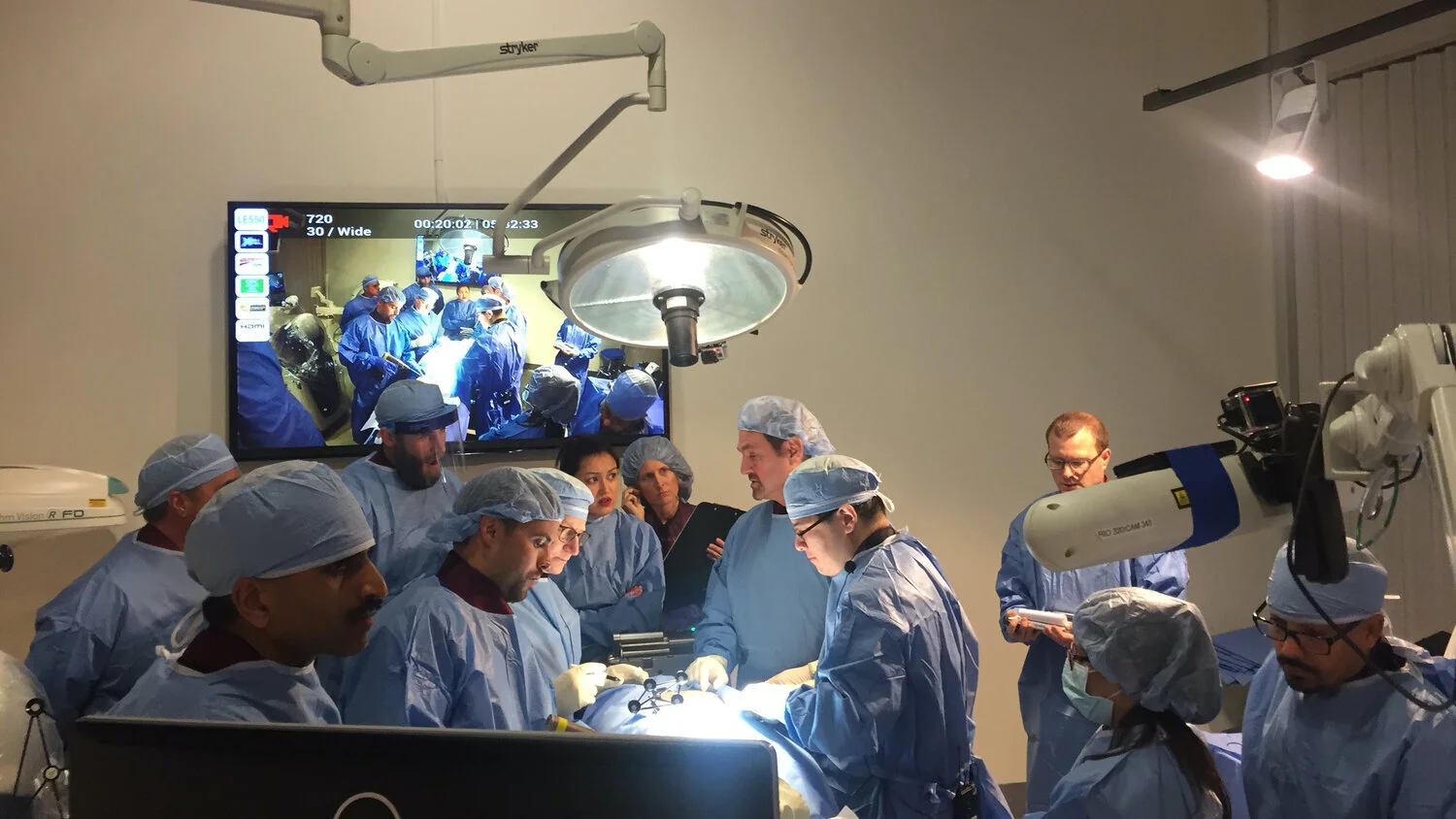
To deeply understand the needs of the surgeons and the challenges they faced, I conducted user interviews, observed surgeries, and performed task analyses. These methods helped me identify key pain points, such as the complexity of case selection, the need for detailed planning, and the critical nature of accurate navigation.
Dr. Kornelis Poelstra, MD